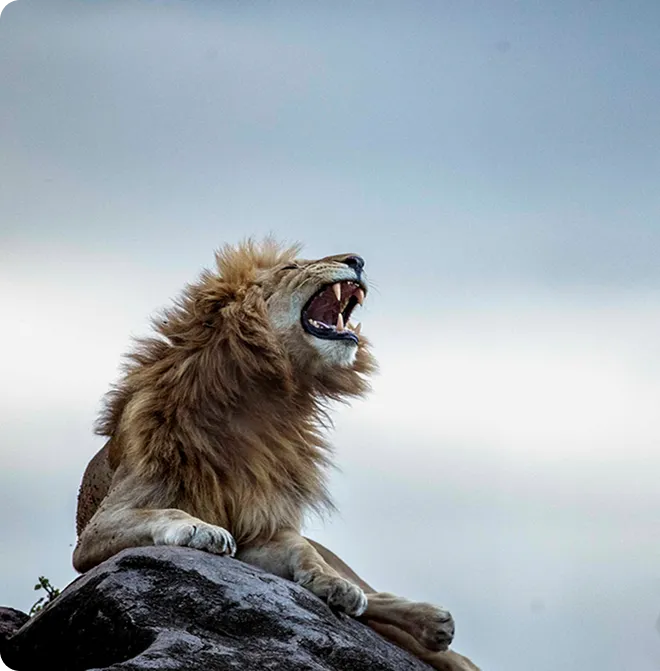
The Art of the Slow Safari: Why “Staying Put” is the Ultimate Luxury
African Travel Insights
In the world of African travel, there is a common trap: the “Checklist Chase.” It’s the frantic urge to see everything in a short period, packing and unpacking every 48 hours, and spending more time staring at the back of a driver’s head than at the wildlife.
By the third day of a “circuit” safari, you aren’t a traveler anymore; you’re a professional passenger. You’re dusty, exhausted, and likely part of a “vehicle scrum”—that frantic cluster of twenty to 50+ Land Cruisers jostling for a glimpse of a big cat likely 800 meters away.
But there is another way. It’s called the Slow Safari, and it’s a total game-changer.
The Exhaustion of the “Circuit”
Most traditional itineraries focus on movement – the same route for everyone – Ndutu, Tarangire, Crater, Central, and maybe Kogatende.
- The Packing Fatigue: Constant packing and unpacking, dread when you realize in the rush of switching camps you inevitably forgot something. It’s exhausting.
- The Transit: Long, bumpy hours on dusty roads that aren’t actually game drives, but you are told it’s a game drive. The truth is the driver-guide is rushing to the next camp, so it’s more drive-drive focus on the road than a game drive. If you do spot something, you’re rushed because you have to get to the next camp before sundown. Speaking of sundowners – this is an important tradition. If you’re two nights here, two nights there, and so on, you can forget the sundowners experience.
- The Sightings Scramble: Following the radio chatter to crowded spots where the engine noise and tourists drown out the sighting. This is the most annoying – not only from a personal preference but also from a conservation perspective. All the vehicles jockeying for that special position.
Why Staying is the Way to Go
When you commit to one location for four or five nights, the rhythm of the bush changes. You stop being a spectator and start becoming a witness. Senses you didn’t even know existed start to emerge. The aches you have back home often fade. You become relaxed. As someone said, if you’re patient, Africa will give you her heart. I truly believe that.
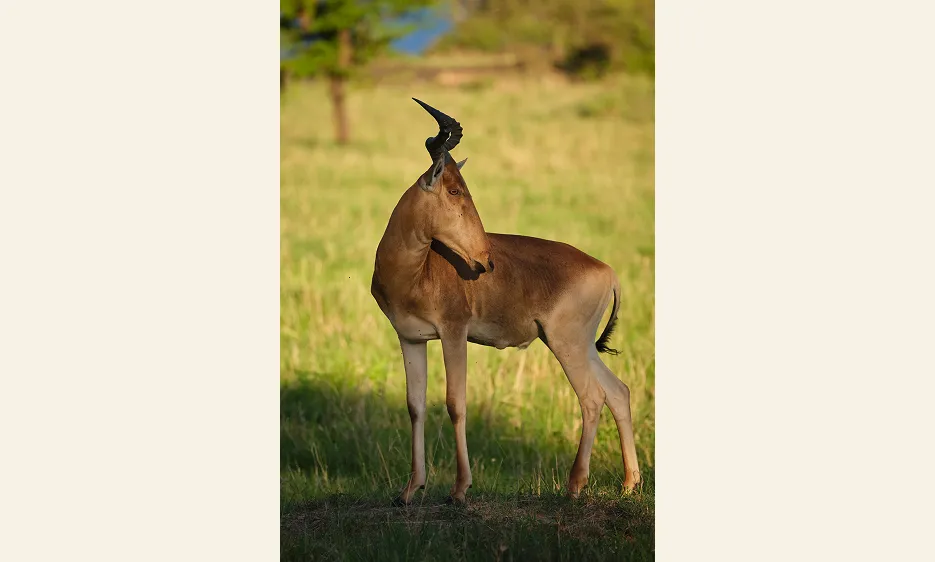
Leisurely game drives allow you to follow the big cats or just sit on a tower of giraffes for an entire afternoon. You can sit quietly by a waterhole for three hours, watching the subtle social hierarchies of elephants or the patient stillness of a heron. You can enjoy lunch in the bush under a tree rather than at the airstrip or a crowded picnic site. Or maybe go on a walking safari, stretch your legs, and experience the wildlife from the ground. I can tell you there is nothing like walking past a pride of lions or viewing an elephant with both feet on the ground. This isn’t just watching animals; it’s experiencing the bush as safaris were originally designed. You become a part of nature.
The Secret Sanctuary: Lobo Valley
If you want to master the art of the Slow Safari, look no further than Africa Eco Expeditions Camp in Lobo Valley in the northeastern Serengeti.
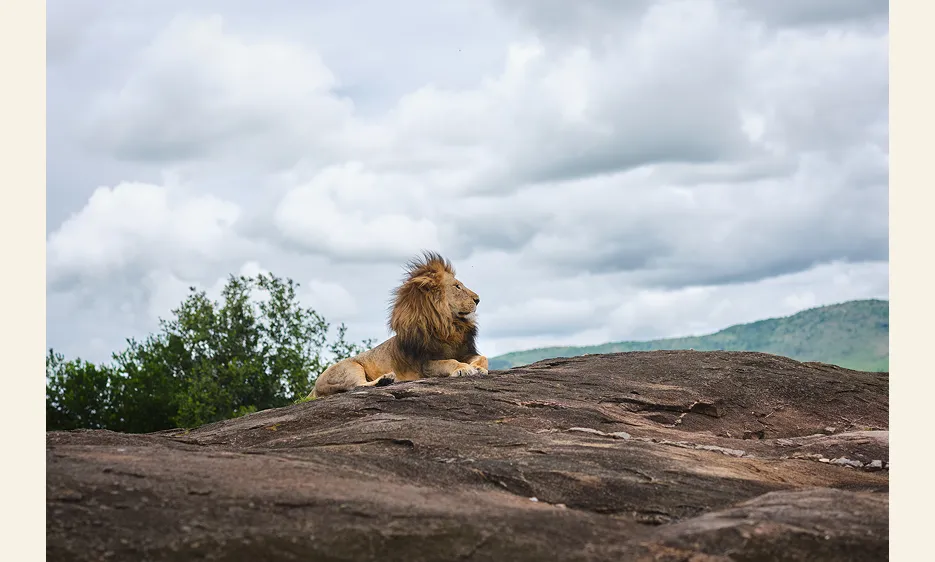
While the crowds gather in the Seronera, Ndutu, or push toward the Mara River crossings, Lobo remains a secluded pocket of ancient Africa. Here, the landscape is dominated by dramatic granite kopjes and rolling hills, offering a sense of scale and exclusivity that is increasingly hard to find.
Is It Time to Slow Down?
Silence at Africa Eco Expeditions Camp privacy isn’t just a marketing buzzword—it’s the reality of the geography. Because it’s tucked away from the main tourist arteries, you get a part of the Serengeti to yourself. Imagine spending your morning parked under a giant acacia tree. There are no other radios crackling, no other engines idling, and no chatter from the other vehicles. Just you, your guide, and the wildlife. This quietude is the rarest commodity in travel today.
A safari shouldn’t feel like a commute. By choosing to stay put—especially in a pristine corner like Lobo Valley—you trade the quantity of miles for the quality of the moment. You’ll leave the feeling recharged instead of depleted, with memories of intimate encounters rather than crowded viewpoints.
Gallery
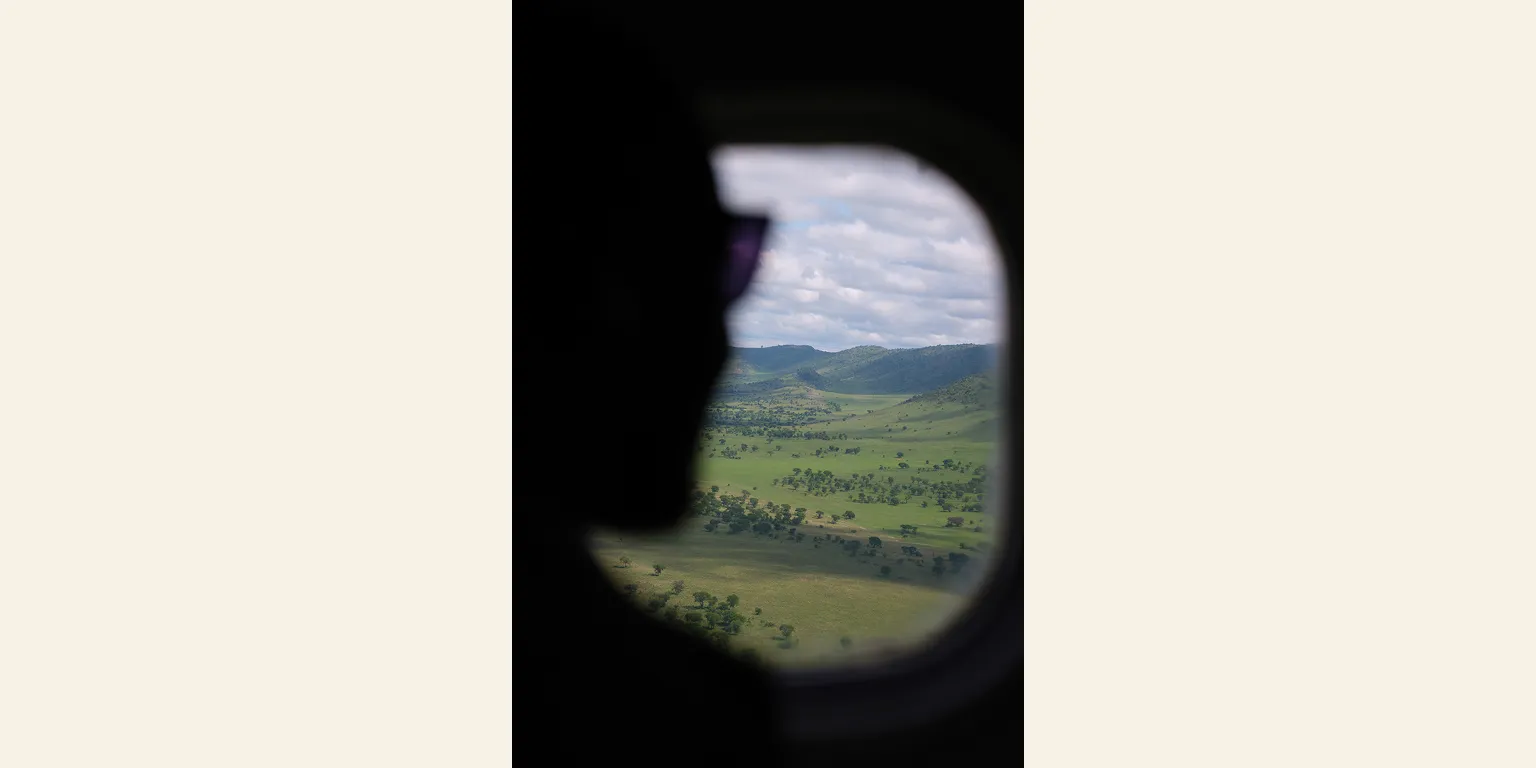
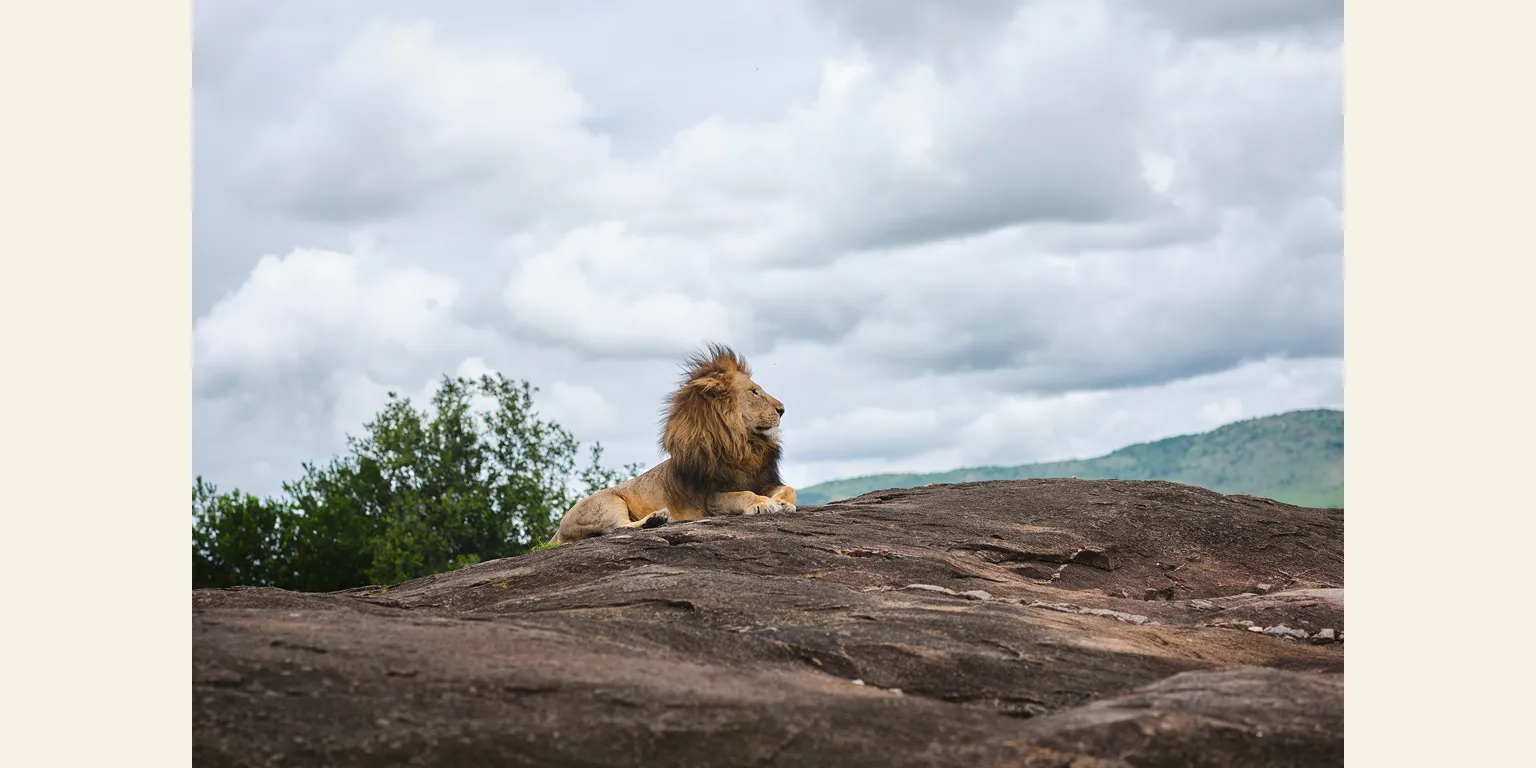

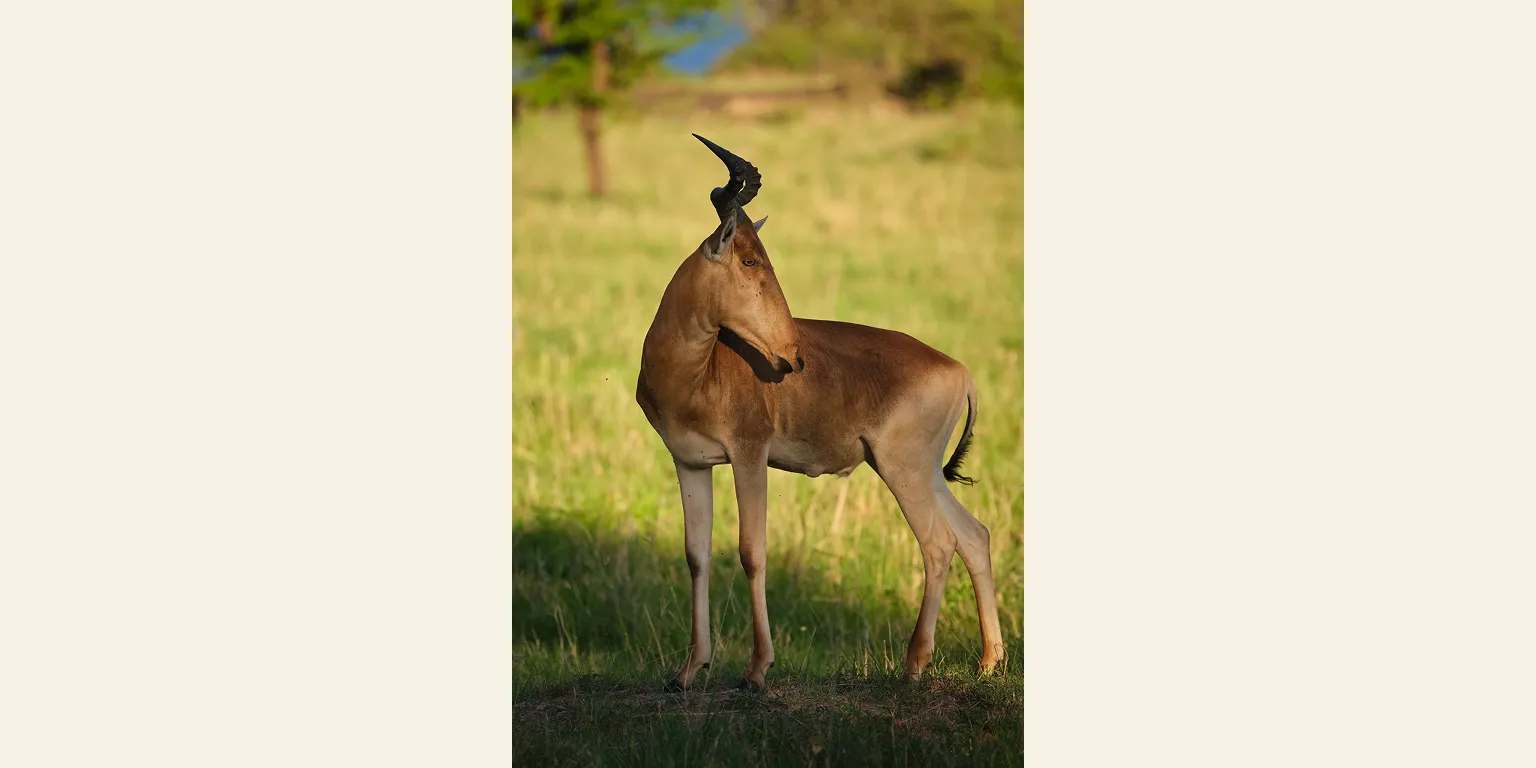
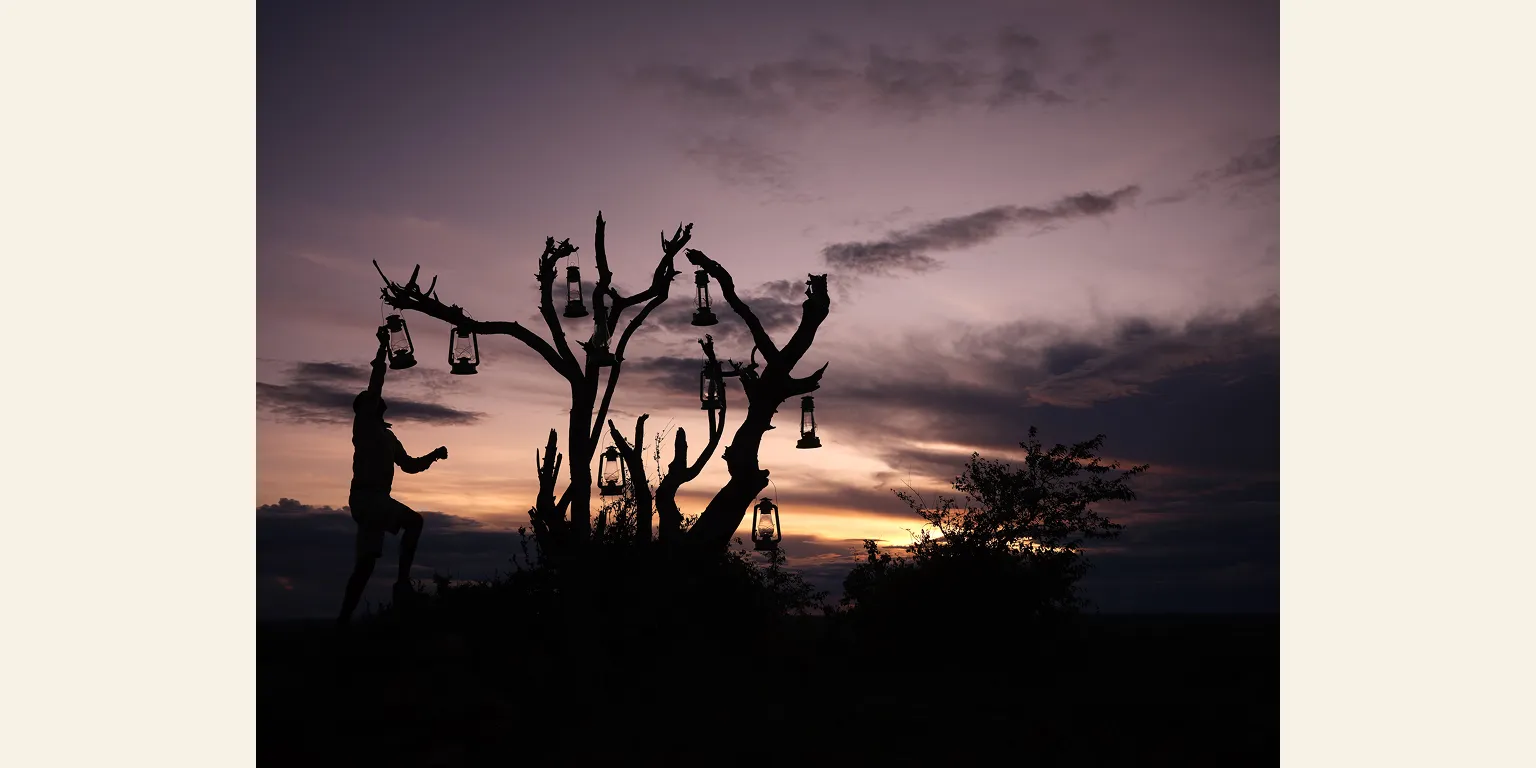


Trending Topics
Continue Exploring Our Stories
My Favorite Secret: Why I Love the Green Season in Lobo Valley
While much of the world is shivering under snow and frost, our corner of the Serengeti is waking up in a vibrant explosion of life. To many, this is the "Green Season" (December through May), but to me, it’s the most soulful time to be in the bush. If you’re looking for a holiday escape that prioritizes connection over "ticking boxes," this is your sanctuary.

The Art of the Slow Safari: Planning Your Safari
In a world that prizes speed, the ultimate luxury is the ability to slow down. Planning a safari can feel like a daunting logistical puzzle - balancing seasons, regions, and bush-plane transfers. But at Africa Eco Expeditions, we believe the planning stage shouldn't be a chore; it should be the first step in your immersion. To truly experience the Lobo Valley, one must move away from the "checklist" mentality. We specialize in the Slow Safari: an exclusive, unhurried approach that prioritizes depth of connection over the number of sightings. Here is how to curate your journey into the wild.
Through Small Eyes: The Magic of a Family Safari with Africa Eco Expeditions Camp in the Lobo Valley of the Serengeti
Stepping into the vast wilderness of Africa, one can’t help but be captivated by its raw beauty. But as camp owners, we’ve learned that there isn’t just one “wilderness”—there are as many versions of it as there are guests who walk through our canvas doors. We have the privilege of witnessing nature’s full arc: the clumsy first steps of a newborn giraffe, the rise of a dominant lion, and the quiet passing of the seasons written in the color of the grass. But perhaps our favorite way to see the Serengeti is through the wonder-filled eyes of a child.